
Researchers Dropped a GoPro Half a Mile Beneath Antarctic Ice — A Major Surprise Awaited Them
Published March 2 2025, 9:46 a.m. ET

Two researchers drilling a hole on an icy plain.
From the 1.5 million square mile-spanning continental shelf of Antarctica, almost 600,000 square miles are skirted by floating tongues of ice. These giant glassy chunks of ice, though fascinating, are quite mysterious. From day one, scientists have been curious to find what lurks beneath these floating ice shelves, which remain one of the “least known habitats on Earth.” Previous theories suggest that these frozen, under-ice environments are mostly lifeless as life can’t thrive without light or food.
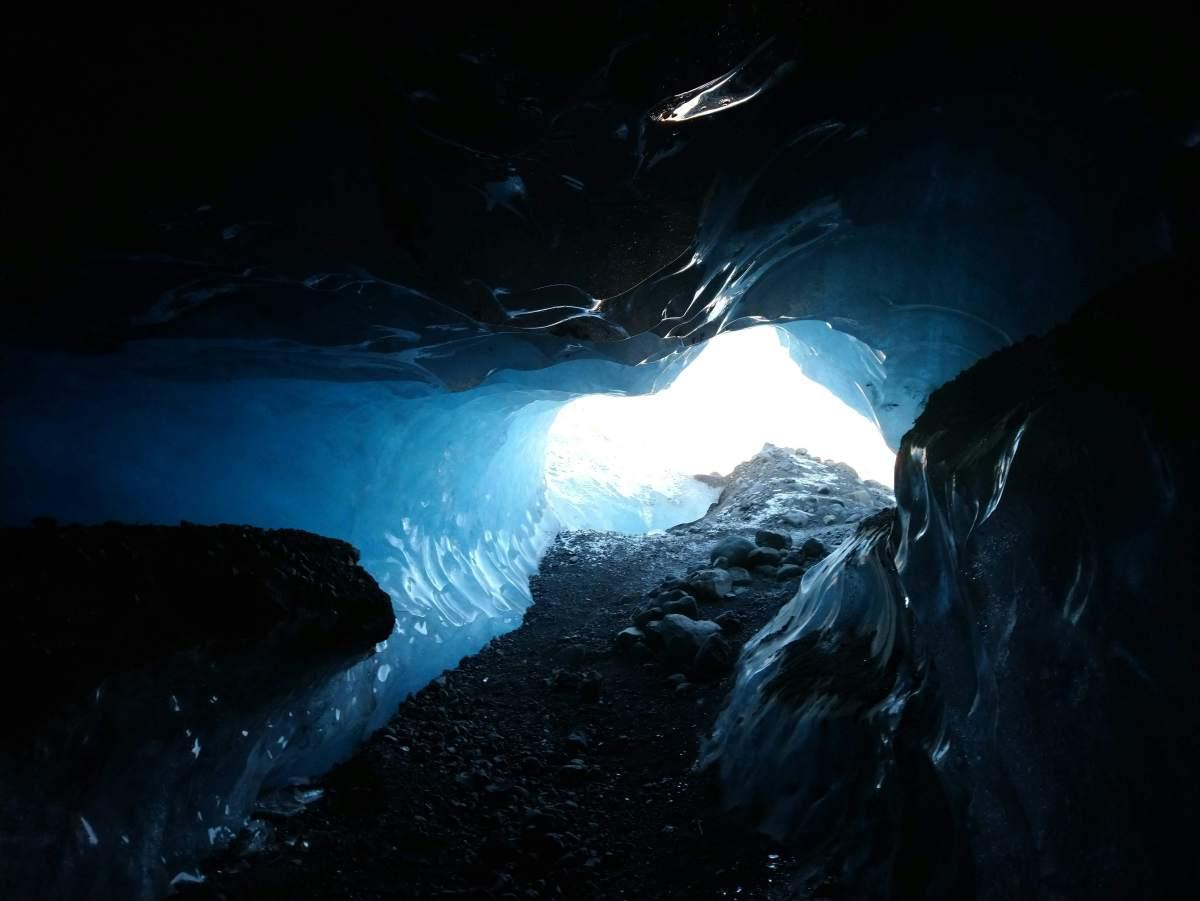
Meltwater hole leading into an underwater cavern
However, when British Antarctic Survey (BAS) geologist James Smith drilled into an ice shelf and dropped a GoPro camera down the hole, he was in for an astonishing shock. In a report published in Frontiers in Marine Science, he revealed that the dark, icy depths of this shelf are dominated by “strange creatures” that are silently skulking and clinging to a rock underneath. Smith had been camping in this area for around three months for research. One day, he needed some samples of the seafloor sediment, so his team drilled a hole into the half-a-mile thick ice of the Filchner-Ronne Ice Shelf. The team lowered the instrument to get the sediment, along with a GoPro camera. Their attempt to scoop out samples of mud didn’t succeed.
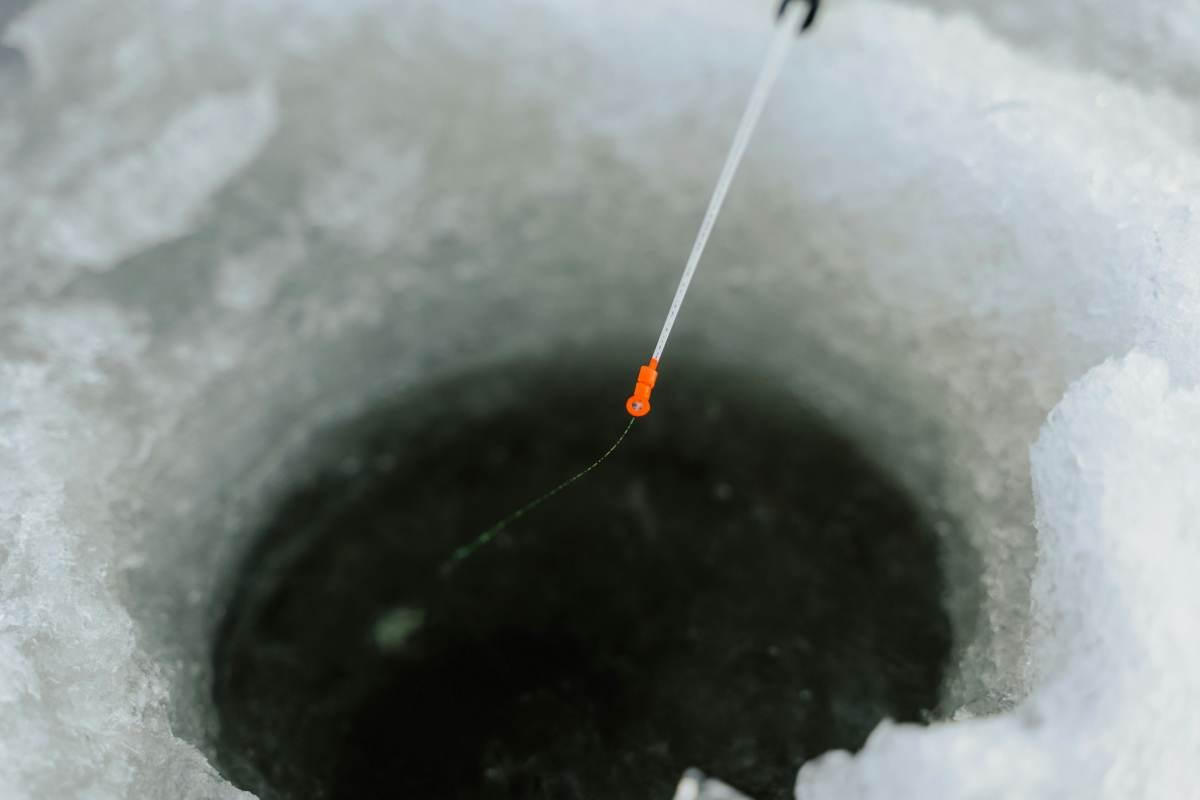
Dropping equipment into a hole drilled in ice
Instead, as the camera plummeted down the hole, it banged into something hard: a rocky boulder. “We were expecting to retrieve a sediment core from under the ice shelf, so it came as a bit of a surprise when we hit the boulder and saw from the video footage that there were animals living on it,” Smith said in a press release. This is the “first ever record of a hard substrate (i.e. a boulder) community deep beneath an ice shelf,” researchers noted.
Underwater life with jellyfish
The drilled hole ran around 0.56 miles into the ice. 161 miles into the ice were strange and mysterious creatures firmly clumped in a microbial mat, latched to a boulder. Smith's colleague and BAS biologist Huw Griffiths found this from the GoPro footage. The discovery challenged all their previous beliefs about life because these creatures were living in complete darkness and subzero temperatures of -2.2 °C. Earlier studies from eight boreholes suggested that the further one moves away from the open ocean, the lesser the nutrient gradient becomes and consequently, there’s a gradual decline in life.
Only "depauperate fauna" consisting of mobile predators and scavengers like fish, worms, jellyfish or krill can survive there. These sessile animals thrive on a huge flux of food supplied by plankton above, which produce it using daylight and summer melt. Sometimes, they derive food from “marine snow,” which contains decomposed bits from dead animals' carcasses. But in this case, the creatures neither benefitted from the marine snow nor plankton. This depicts how life is not playing by the little set of rules scientists understand.
A microbial mat underwater
The area where the camera spotted these creatures was too far from daylight and there were no planktons and, hence, no food. Griffiths compared this environment to "the biggest cave you can imagine," per CBC. "If you're living there in the back of the cave, you're probably better off being... like a fish or a shrimp-type animal that can move around and go to where the food is. These animals are stuck to a rock so they can't go anywhere. They're dependent on food literally floating into them," reflected Griffiths.
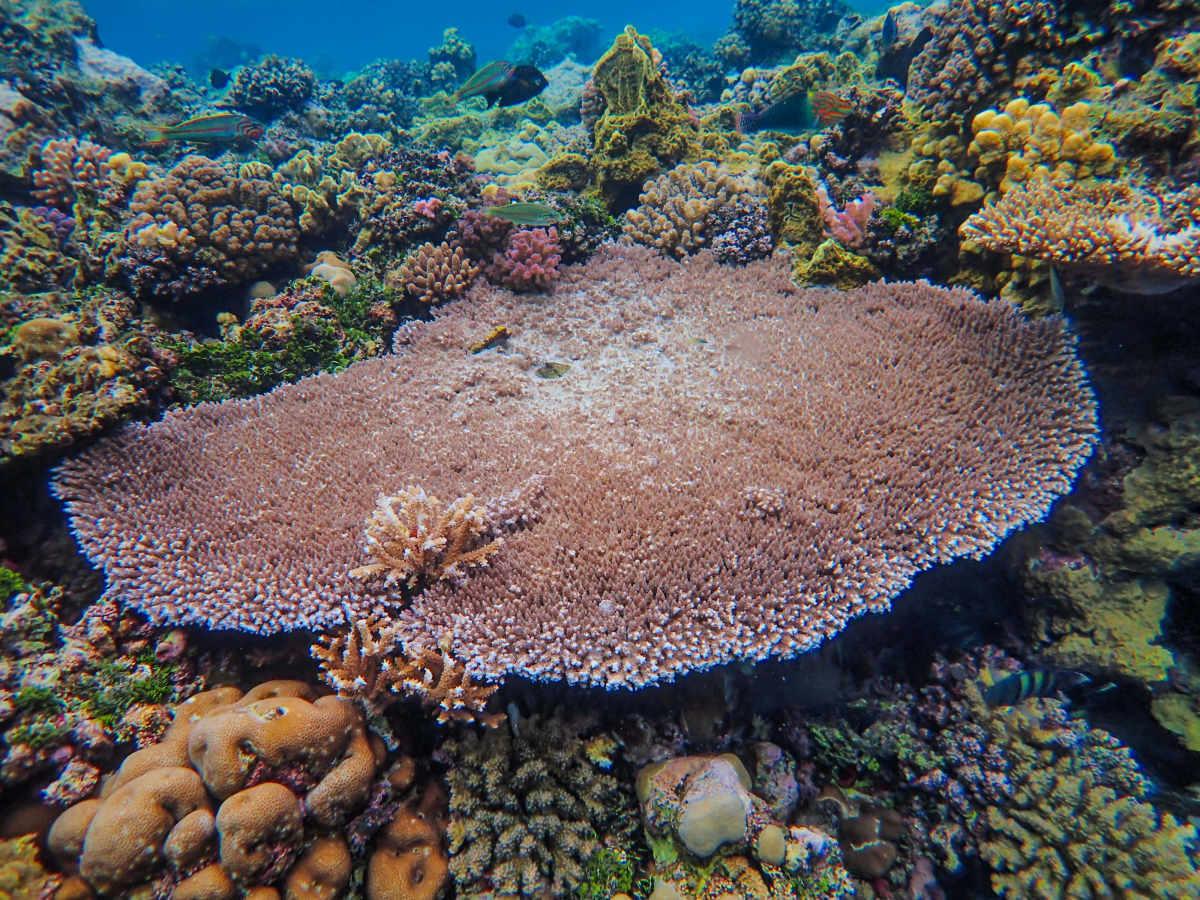
Sponges and microbial mat underwater
He told CNN that this discovery could be an opportunity to learn from these “hardy organisms” and how they survive in extreme conditions. If scientists can gain a deeper understanding of their amazing survival skills, the knowledge might prove to be remarkable for sustaining life on other lifeless and cold planets. Mars, for instance. Despite the wondrous revelation, Griffiths told CBC that they were not able to identify the creatures accurately, except for sponges and stalked creatures. He said it will take smarter robotics or shrunken technology to study these creatures because the boreholes are only about a foot across.