
How to Get an Unlimited Supply of Lettuce From Veggie Scraps? Gardening Expert Demonstrates
Published Dec. 16 2024, 10:15 a.m. ET

Pretty blonde young woman harvesting fresh lettuce from raised bed, vegetable patch in garden and is happy.
To most people, a dressing of leaf lettuce on a burger or a pizza might look like a crime even if it adds a crunchy texture. Talk about people who don’t like greens, lettuce is just a discarded veggie that they often overlook when loading groceries in their shopping cart. Nevertheless, this much-hated lettuce unlocks a host of magical benefits for those who eat it. The pantothenic acid contained in the leaves of romaine lettuce promotes digestion by converting food into flesh. TikTok user Mama Judy (@judybaogarden), who clearly loves gardening and this green vegetable, shared an ingenious trick to regrow it at home from just leftover scraps.
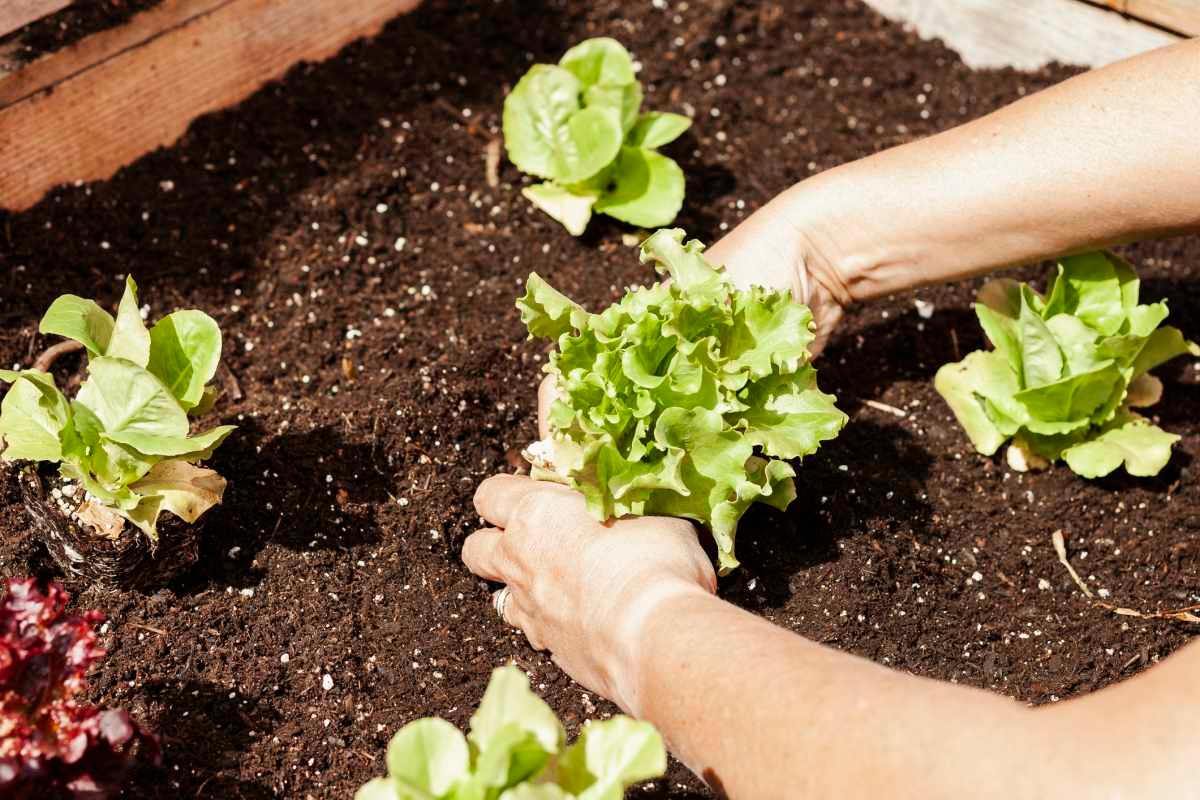
Cropped hands planting in garden, United States
The video opens with Judy cutting a stalk of romaine lettuce with a knife. She told her viewers to eat the bigger piece and use the smaller one to regrow the veggie. Next, she displayed a medium-sized planting pot filled with the soil mix. She took the lettuce stalk and placed it in the soil mixture, while continuously twisting it to tighten its hold in the soil. Moving on, she scooped out some mulch from a bag and settled it around the little sapling. The mulch was used to retain the moisture, as the video described.
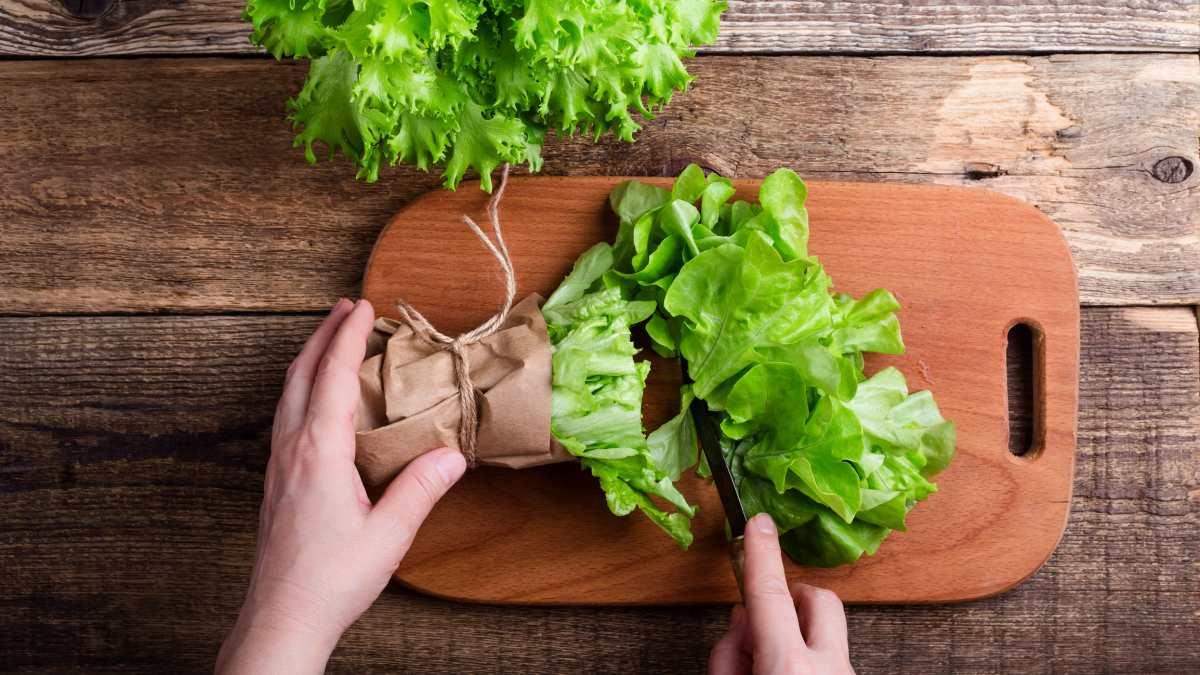
Hands of woman slice green leaf lettuce on wooden cutting board
“You water once a week,” Judy asked her viewers and sprinkled some over the budding lettuce. However, she cautioned people to avoid using too much water as it may kill the growing vegetables. In the next section of the video, she showed the progress her plant was making after a week. The plant had grown from a tiny stalk to a medium-sized bunch. The video then displayed several lettuce plants Judy had been growing in her garden. “Look how fast they are growing. We will be having salad in no time,” she exclaimed.

Portrait of woman eating salad
@bargainaesthetic, who synchronized with Mama Judy’s idea, said in a comment, “It works really well! Easy way to start leafy veggies.” But several others had questions stirring in their minds. Some people asked whether this method requires Sun. Writing in Homes & Gardens, garden blogger Drew Swainston suggested keeping the lettuce planter on a sunny windowsill. “Lettuces grow best at temperatures of between 60-65˚F and can be prone to bolting when it is sunny and gets warmer than 80˚F,” they wrote, adding that the plant usually needs at least four hours of Sun each day.
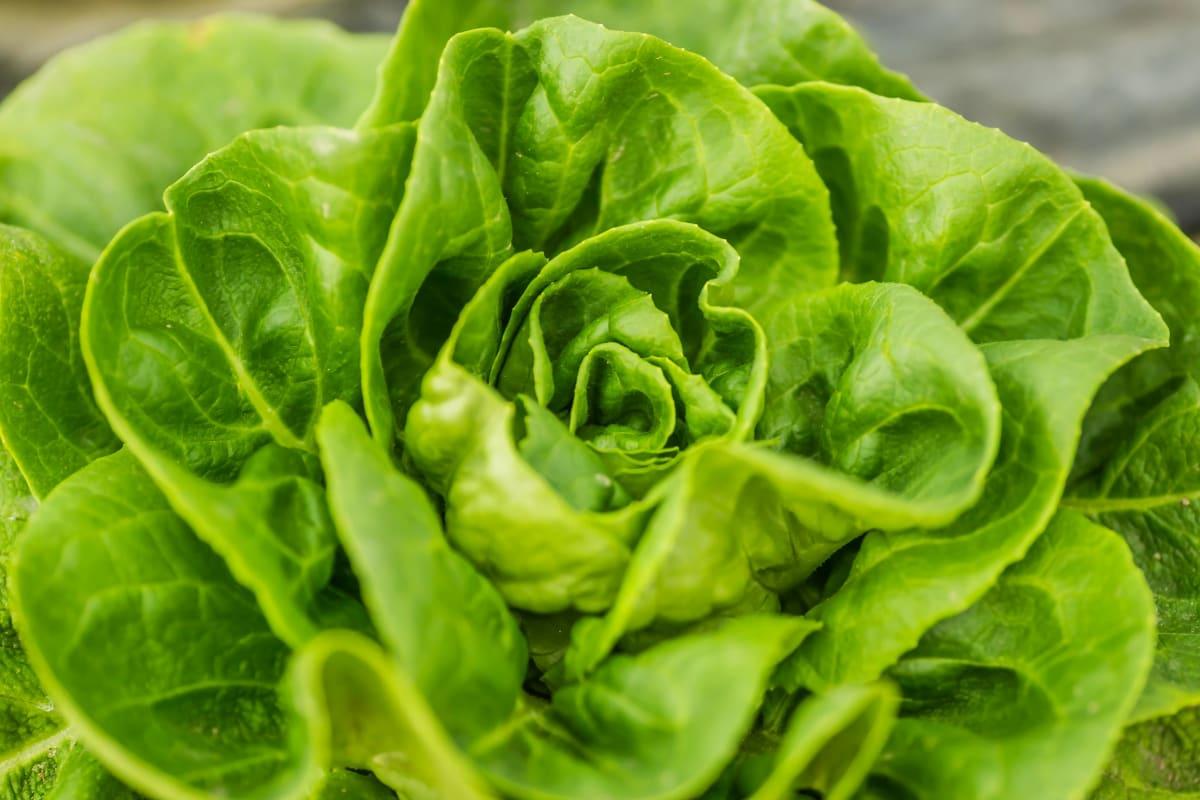
A close-up image of lettuce.
Others were wary of bolting. According to City Greens, bolting is a “survival mechanism through which plants try to generate offspring.” Much like flowering or fruiting, bolting is nature’s way to continue lettuce’s lifecycle as it produces seeds and flowers prematurely. Premature bolting isn’t a problem as long as it is not supposed to be eaten. But if it was grown for food, sadly, a bolted lettuce may taste too bitter and may even be unfit for eating altogether.
But there are ways to prevent or delay bolting. One is to select the proper variety of lettuce. Better Homes & Gardens recommend bolt-resistant or heat-tolerant types of lettuce, such as “butterhead varieties or romaine cultivars like 'Sparx' and 'Salvius.'” Another factor to consider is the pH of the soil. Typically, lettuce grows best in a soil with a pH between 6.2 and 6.8. Sow a few lettuce seeds every few days in regular intervals, pick out the seeds when temperatures rise too much, and give the plant some shade from the Sun during the day.
You can follow Mama Judy (@judybaogarden) on TikTok for more gardening tips.